
Questions?
(800) 351-9633
(800) 351-9633

Where bamboo grows shapes how aggressively it spreads -- and how urgently you need to contain it.
Bamboo is one of the most geographically adaptable plants on earth. Native to six of the seven continents (absent only from Europe and Antarctica), bamboo grows from tropical rainforests to Himalayan mountainsides, from subtropical Asia to temperate North America. In the United States, bamboo has spread far beyond the gardens where it was intentionally planted -- which is why understanding where bamboo thrives is essential for anyone managing it.
Bamboo is distributed across tropical, subtropical, and temperate regions worldwide:
The United States has one native bamboo genus: Arundinaria, commonly called river cane or switch cane. Three species are recognized:
All other bamboo species growing in American landscapes -- including all the commonly invasive species like Phyllostachys aurea (golden bamboo), Phyllostachys nigra (black bamboo), and Bambusa species -- are non-native introductions from Asia. They were brought to the US primarily as ornamental plants during the 19th and 20th centuries and have since spread well beyond their original plantings in many regions.
Bamboo in the United States can be grown virtually everywhere in the lower 48 states, though the species that can be grown and the aggressiveness of their spread varies significantly by region:
States including Virginia, Maryland, New Jersey, New York, Pennsylvania, and Connecticut have significant bamboo invasiveness issues. Hardy Phyllostachys species thrive here, surviving cold winters and spreading aggressively in the warm, moist growing seasons. These states have been among the most active in enacting bamboo regulations.
Georgia, Florida, Alabama, Mississippi, South Carolina, and North Carolina have warm, humid conditions that are ideal for both running and tropical clumping bamboo. Spread rates here can exceed those in cooler regions. Both Phyllostachys and Bambusa species grow successfully across the Southeast.
Oregon, Washington, and Northern California have significant bamboo cultivation and some invasiveness concerns. The mild, wet Pacific Coast climate favors bamboo growth. Southern California and the Central Valley support tropical clumping bamboo in addition to running species.
The Midwest can grow cold-hardy Phyllostachys species (zones 5 to 7), though the more extreme continental climate moderates spread rates compared to coastal regions. Prairie states have less bamboo cultivation overall.
Higher elevations limit bamboo cultivation to cold-hardy species in protected locations. The dry climate also limits spread rates compared to humid regions.
These states have documented bamboo invasiveness issues and/or bamboo-specific regulations:
The same climate factors that make a region good for growing bamboo also make it harder to contain:
If you are growing bamboo in the Southeast, Mid-Atlantic, or Pacific Coast, your bamboo will spread more aggressively than the same species grown in a colder or drier climate. This does not mean you should avoid bamboo -- it means containment is non-negotiable.
A rhizome barrier installed to the appropriate depth for your species is the same product regardless of your location. But in warm, moist climates, annual inspection of the barrier perimeter becomes particularly important because rhizome pressure is higher and the rhizomes are active for more months of the year.
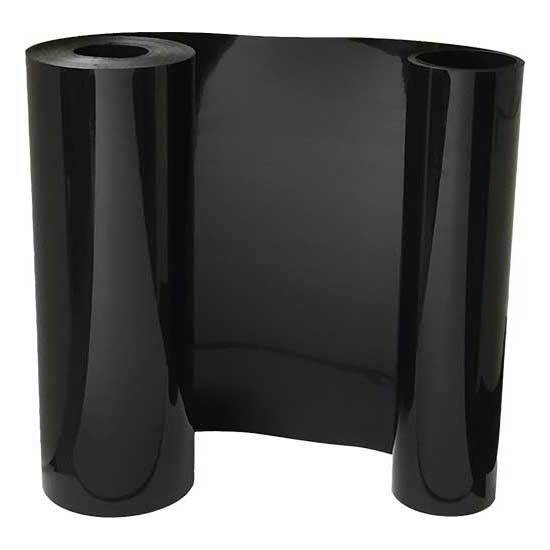
Whether you are in Georgia, New Jersey, or Oregon, a properly installed HDPE rhizome barrier contains bamboo in all US climates. UV-stabilized for sun exposure, cold-stable to -40 degrees F, 100-year in-ground lifespan. Free shipping. Made in the USA.
Shop Bamboo Barriers →Get a barrier recommendation matched to your bamboo species and location.
Use the Bamboo Barrier Selector →Bamboo can be grown throughout most of the continental US. Running bamboo species are cold-hardy and grow in USDA zones 5 through 10, covering most of the country. They are most problematic as invasive plants in the Mid-Atlantic, Southeast, and Pacific Coast regions. Tropical clumping species are limited to zones 8 through 11 -- Florida, the Gulf Coast, and Southern California.
Only one bamboo genus is native to the US: Arundinaria (river cane), found in the southeastern US. All other commonly grown species -- including all the invasive Phyllostachys varieties -- are non-native introductions from Asia.
Most bamboo species can be grown in all of the lower 48 states. Hardy running bamboo species survive in USDA zones 5 and sometimes zone 4 with protection. Hawaii has significant bamboo presence. Alaska is too cold for most bamboo species.
Bamboo grows best in warm, moist climates with well-draining soil. In the US, bamboo grows most vigorously in the Southeast, the Mid-Atlantic, and the Pacific Coast. These same conditions that favor bamboo growth also make containment more urgent, as plants spread more aggressively.
{"one"=>"Select 2 or 3 items to compare", "other"=>"{{ count }} of 3 items selected"}