
Questions?
(800) 351-9633
(800) 351-9633

Everything you need to keep your bamboo healthy, attractive, and -- most importantly -- contained within its intended space.
Bamboo is one of the lowest-maintenance plants in the garden -- once it is properly contained. The plants require minimal watering once established, almost no fertilizing, and their primary care tasks are simple pruning and seasonal inspection. The challenge with bamboo care is not keeping the plant alive; it is keeping the plant where you want it. This guide covers both the horticultural care of bamboo and the containment maintenance that transforms bamboo from a potential problem into a reliable, beautiful landscape asset.
Every bamboo maintenance routine should start here. Before considering pruning schedules or watering regimes, the single most impactful thing you can do for long-term bamboo care is to ensure the plant is properly contained. An uncontained running bamboo planting creates an escalating maintenance burden that grows every year as the rhizome network expands. A properly contained bamboo planting requires only minimal annual inspection.
If your bamboo does not have a physical rhizome barrier installed, that is the most valuable bamboo care investment you can make. Every other maintenance task becomes simpler once spread is controlled.
Bamboo pruning involves two distinct tasks that are often confused: thinning (removing entire canes) and shoot management (cutting new sprouts). They require different timing and tools.
Thinning improves airflow, aesthetics, and overall grove health by removing old, dead, or overcrowded canes. Key points:
During the shooting season, new shoots emerge rapidly and are still soft enough to remove easily with a spade or pruners. Cut any unwanted sprouts to the ground immediately. Once a shoot has hardened into a mature cane (within weeks), it requires significantly more effort to remove.
Shoot management is how you control the density of your bamboo grove and prevent overcrowding. Allow only the number of new culms you want to mature each season.
Cutting bamboo correctly preserves the appearance of the grove and avoids leaving unsightly stubs:
Established bamboo is remarkably drought-tolerant and typically requires no supplemental watering in areas that receive normal rainfall. The exception is during prolonged drought -- bamboo will show stress through leaf rolling (the leaves curl inward to reduce water loss) before serious damage occurs.
New plantings (first 1 to 2 years) require more attention to watering until the rhizome network is established. Water deeply once or twice per week during dry periods in the first growing season.
Mulching around the base of bamboo conserves moisture, regulates soil temperature, and provides organic matter as it breaks down. Apply 2 to 3 inches of wood chip mulch or shredded leaves around the planting area. Leave bamboo's own leaf litter in place -- it is excellent self-mulching material.
Most running bamboo species grown in North America are cold-hardy and require no special winter protection. However:
Living, healthy bamboo culms do not rot. Dead culms -- those that have completed their 10 to 15-year natural lifespan -- will eventually deteriorate if left in place, particularly in humid climates. Remove dead canes as part of your annual thinning routine to keep the grove tidy and reduce habitat for pests.
Bamboo used in outdoor construction (fences, screens, poles) is susceptible to rot where it contacts moist soil. Treatment with preservatives significantly extends service life for outdoor structural bamboo.
The bamboo grove -- the entire plant including the rhizome network -- can live for many decades to centuries with adequate care. Individual culms live 10 to 15 years before dying naturally and being replaced by new growth from the rhizomes. The rhizome network itself is essentially immortal as long as it has access to water and nutrients. Some bamboo groves in Asia and elsewhere have persisted for hundreds of years as continuously self-renewing plantings.
A properly installed HDPE rhizome barrier requires very little ongoing maintenance, but annual inspection is important:
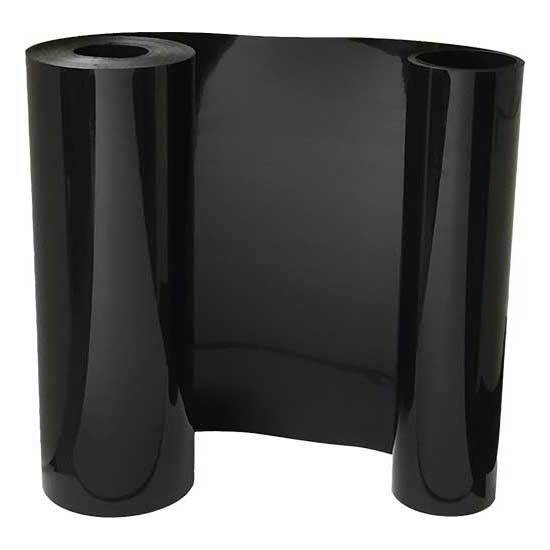
The most impactful bamboo care investment you can make. Install a rhizome barrier at planting time and reduce your ongoing maintenance to a single annual perimeter inspection. Depths from 18" to 60". Free shipping. Made in the USA.
Shop 60 Mil Barrier →Find the right barrier for your bamboo species and site conditions.
Use the Bamboo Barrier Selector →A properly installed rhizome barrier makes bamboo maintenance simple and predictable. 60, 80, and 100 mil HDPE options. Free shipping nationwide. Made in the USA.
Shop Bamboo Barriers →Bamboo pruning involves two tasks: thinning old canes (cut at ground level with loppers or a saw) and managing new shoots during shooting season (cut unwanted sprouts to the ground before they harden). Always cut canes at ground level -- never cut midway up, as the stub will die and look unsightly.
The best time to cut back bamboo canes is in late winter or early spring before the shooting season begins. New shoots can be managed throughout the 4 to 8-week shooting season in spring. Avoid major cutting during active summer growth.
Most running bamboo species are cold-hardy and do not die in winter. The rhizome network remains alive underground regardless of what happens to the foliage. In severe winters, foliage may brown and die back, but the plant regenerates from rhizomes in spring.
Living bamboo culms do not rot. Dead culms -- those that have completed their 10 to 15-year natural lifespan -- will eventually deteriorate. Remove dead canes as part of annual thinning to keep the grove healthy and attractive.
A bamboo grove can live for many decades to centuries. Individual culms live 10 to 15 years before dying and being replaced by new growth from the rhizome system. The rhizome network itself can persist indefinitely with adequate water and nutrients.
{"one"=>"Select 2 or 3 items to compare", "other"=>"{{ count }} of 3 items selected"}