
Questions?
(800) 351-9633
(800) 351-9633

An honest guide to bamboo removal — what is effective, what is not, and why containment is often a better strategy than trying to kill it.
Table of Contents
Bamboo is one of the most difficult plants to eradicate once it is established. Its energy is stored not in the visible canes but in a sprawling underground network of rhizomes that can extend across a large area, and that network can sustain the plant through repeated attacks on its above-ground growth.
This guide provides an honest assessment of every bamboo-killing method available — what actually works, how long it takes, how much effort it requires, and when giving up on killing it and installing a containment barrier is the smarter choice.
Understanding why bamboo is difficult to kill explains why most casual attempts fail:
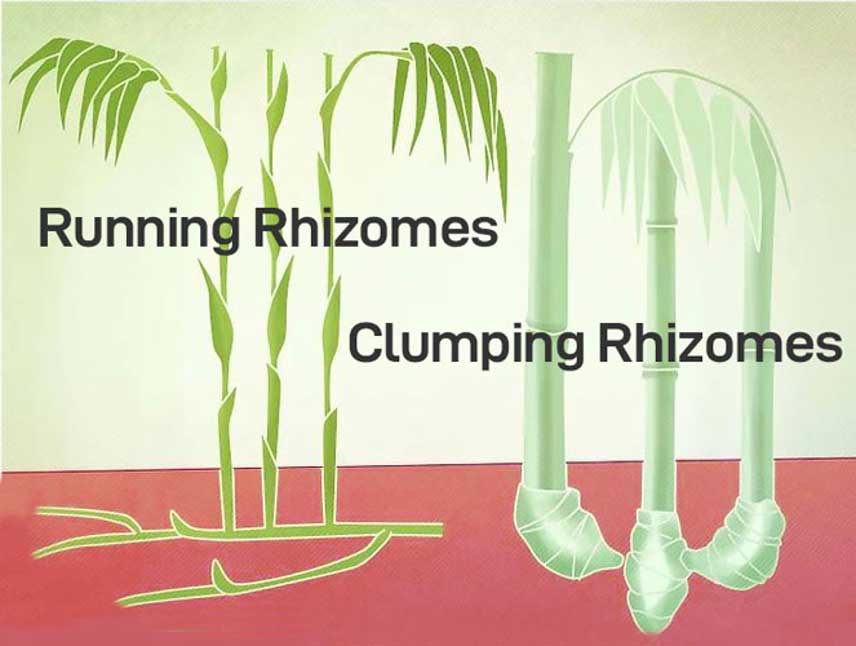
The underground rhizome network is why bamboo is so persistent. Killing bamboo requires depleting the energy stored in this entire network — not just removing what is visible above ground.
Bamboo shoots emerge in spring (or fall for some species) as soft, fast-growing culms. Before a shoot matures, it draws energy from the rhizome network to fuel its rapid growth. If the shoot is cut to the ground immediately after emergence — before it can open leaves and photosynthesize — it consumes energy without replenishing it. Repeated consistently over multiple growing seasons, this progressively depletes the rhizome network's energy reserves until the plant can no longer regenerate.
How to do it:
Timeline: 3 to 5 years of consistent effort to kill an established running bamboo planting.
Effort level: High during shooting season (daily monitoring required). Low effort the rest of the year.
Effectiveness: Very high if done consistently. The most reliable DIY method for killing bamboo without chemicals.
Systemic herbicides — those that are absorbed by the plant and transported to the root system — are the most effective chemical option for killing bamboo. The key is getting the herbicide into the rhizome network where it can kill the roots.
Cut stump treatment (most effective): Cut bamboo canes to ground level and immediately apply concentrated herbicide to the freshly cut stumps within 60 seconds of cutting. The cut stem must be still open and actively wicking — once the stem seals over (which happens within minutes), the herbicide cannot enter the plant. This method introduces herbicide directly into the vascular system, which carries it to the rhizomes.
Foliage spray (late season): Apply systemic herbicide to actively growing foliage in late summer or early fall, when the plant is naturally moving sugars from leaves back to the rhizomes. This timing maximizes the herbicide's transit to the root system. Use a surfactant to help the herbicide adhere to bamboo's waxy leaves.
Timeline: 2 to 3 seasons of herbicide treatment to kill established bamboo.
Effort level: Moderate.
Caution: Glyphosate and imazapyr are non-selective — they will kill surrounding plants they contact. Apply carefully. Always follow label instructions.
Physical excavation — digging up and removing the entire rhizome network — is the fastest and most definitive method for killing bamboo. It is also the most labor-intensive.
How to do it:
Timeline: Immediate results with weeks to months of follow-up.
Effort level: Very high — for large plantings, requires backhoe or excavator.
Effectiveness: Excellent if complete. Even a few pieces of missed rhizome will regenerate.
The most effective approach combines multiple methods:
This combined approach typically achieves complete bamboo kill within 1 to 2 seasons for most residential plantings.
Before committing to killing bamboo, consider whether the goal is elimination or containment:
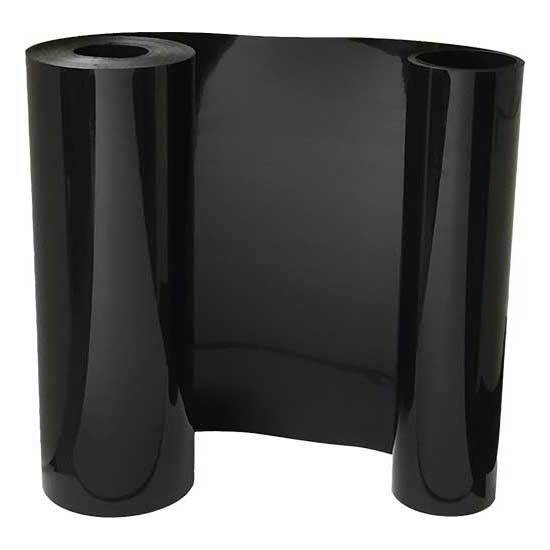
Stop bamboo from spreading without killing it. The 60 mil barrier is the recommended choice for most residential running bamboo containment. Install it around your bamboo planting and enjoy your bamboo without the spread problem. Free shipping, made in the USA, 100-year in-ground lifespan.
Shop 60 Mil Barrier →If you are considering containment rather than killing, use the Bamboo Barrier Selector to find the right barrier thickness and depth for your specific bamboo species and site.
Use the Bamboo Barrier Selector →HDPE rhizome barriers from Rhizome Barrier Supply permanently contain bamboo within its planting area. 60, 80, and 100 mil options. Free shipping. Made in the USA.
Shop Bamboo Barriers →Killing bamboo permanently requires depleting the energy stored in its underground rhizome network. The most effective methods are: repeated shoot removal (cut every new shoot to the ground each spring for 3 to 5 years); systemic herbicide (glyphosate or imazapyr) applied to freshly cut cane stumps or actively growing foliage over multiple seasons; or full excavation of the entire rhizome network. Combining methods achieves the fastest results.
Killing bamboo roots (rhizomes) requires either systemic herbicide or physical removal. Systemic herbicides containing glyphosate or imazapyr are translocated from the foliage or cut stems into the rhizome network. Physical excavation — digging out and removing the entire rhizome network — is the other option. Surface herbicide application to soil is not effective on bamboo rhizomes.
Roundup (glyphosate) can kill bamboo but requires repeated applications and proper technique. The most effective method is to cut canes to the ground and immediately apply concentrated glyphosate solution to the freshly cut stumps within the first minute of cutting. Multiple treatments over 2 to 3 seasons are typically required to fully kill established bamboo.
Cutting mature bamboo canes does not kill the plant. However, cutting new shoots to the ground immediately as they emerge in spring — repeatedly, every year, without allowing any shoot to mature — will eventually starve the rhizome network and kill the plant over 3 to 5 growing seasons. This works because it prevents photosynthesis and depletes the plant's energy reserves.
Bleach is not an effective method for killing bamboo. While bleach can damage plant tissue on contact, it does not translocate to the root system and will not kill the rhizome network. Systemic herbicides like glyphosate are far more effective because they are absorbed by the plant and transported to the roots.
{"one"=>"Select 2 or 3 items to compare", "other"=>"{{ count }} of 3 items selected"}