Getting rid of bamboo is a project that requires the right approach, realistic expectations, and sustained effort. Many homeowners are frustrated when their first attempts — cutting canes, pulling plants, or spraying with household products — produce no lasting results. That is because bamboo's persistence comes from underground, not from what you can see above the soil.
This guide walks through every effective bamboo removal method, explains what actually works (and why some popular methods fail), provides realistic cost estimates, and covers how to prevent bamboo from returning once you have cleared it.
Before You Start: Understand What You Are Dealing With
The key fact about bamboo removal that most people miss: the bamboo canes are not the plant. The plant is the rhizome network underground. Cutting or removing the above-ground canes is the first step in any removal process, but it does not accomplish anything on its own — the rhizomes will simply send up new shoots.
Before choosing a removal method, assess the situation:
-
How large is the planting? A small cluster of bamboo in a garden bed is very different from a 20-foot-wide established grove with rhizomes extending across the yard.
-
How long has it been growing? A one-year-old planting has a limited rhizome network. A five-year-old planting can have rhizomes extending 15 to 20 feet in all directions. The older and more established the planting, the farther rhizomes will have spread — a decade-old grove can extend well beyond 30 feet from the original planting and may have crossed property lines without any visible above-ground indication.
-
What species is it? Running bamboo species (most ornamental bamboo) are far more difficult to remove than clumping bamboo.
-
Is bamboo from a neighbor's yard contributing to your problem? If so, even thorough removal on your side will result in re-invasion from next door unless you install a barrier.
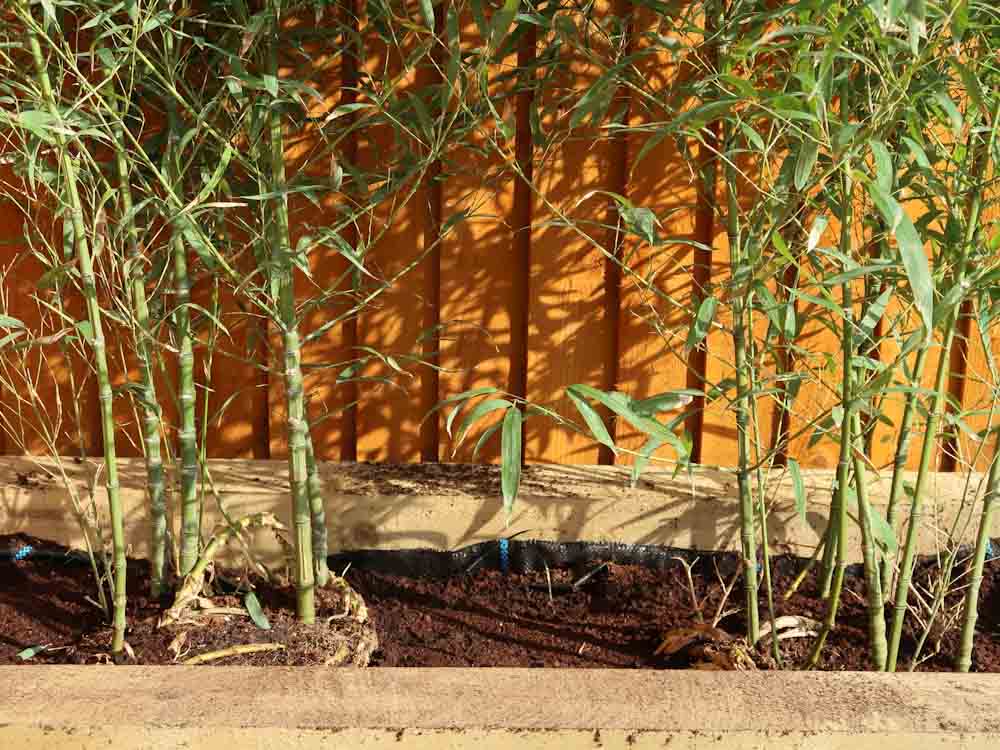
Bamboo spreading in a yard. The visible canes are only the above-ground portion of a much larger underground rhizome network.
DIY Bamboo Removal Methods
-
Cut down all above-ground canes. Using a hand saw, loppers, or reciprocating saw, cut all bamboo canes to ground level. This improves access to the ground, removes the visual mess, and begins to limit the plant's ability to photosynthesize. Dispose of canes in yard waste or compost bins (for small amounts), chip them, or bundle and take to a transfer station. Do not place whole rhizomes or root material in compost — rhizome segments can regenerate.
-
Excavate the rhizome network. For small to medium bamboo areas, this is the most direct approach. Use a mattock, pickaxe, or spade to dig up the top 12 to 18 inches of soil throughout the bamboo area. Pull out and remove every piece of rhizome you find — even small segments can regenerate. Sift through the removed soil before discarding it. For large areas, rent a mini excavator or rototiller to work through the soil efficiently.
-
Apply systemic herbicide to remaining stumps (optional, speeds results). Immediately after cutting canes, apply concentrated glyphosate to the freshly cut stumps within 60 seconds of cutting. The stem must still be open — once it seals, the herbicide cannot enter. Alternatively, wait until late summer and spray actively growing foliage with glyphosate, using a surfactant to penetrate bamboo's waxy leaves. Most established bamboo requires 2 to 3 applications over multiple seasons.
-
Remove every new shoot as it emerges. Monitor the area during shooting season (spring, or fall for some species). Cut every new shoot to the ground immediately when it emerges — before it can open leaves. Continue for at least 1 to 2 seasons after excavation, or 3 to 5 years if using shoot starvation alone without excavation or herbicide.
-
Monitor and repeat as needed. Inspect the area regularly for the first 1 to 2 years. Rhizome segments missed during excavation will send up new shoots — remove these immediately. The combined excavation + herbicide + shoot removal approach typically achieves complete removal in 1 to 2 years.
When to Hire a Professional Bamboo Removal Service
Consider professional removal when:
- The bamboo area is large (over several hundred square feet) and manual excavation is not practical
- Heavy equipment (backhoe, excavator) is required to access deep or extensive rhizomes
- The bamboo is adjacent to structures, utilities, or infrastructure where excavation requires caution
- You need the area cleared quickly and completely for construction or landscaping
- Previous DIY attempts have not been successful
When evaluating contractors, confirm they understand that the rhizome network must be removed — not just the above-ground canes. Ask specifically about their approach to the underground root system and whether they include follow-up visits for any regrowth.
Bamboo Removal Costs
DIY Removal Costs
Tools (mattock, loppers, saw): $50 to $200
Herbicide (glyphosate concentrate): $20 to $50
Mini excavator rental (if needed): $200 to $400/day
Disposal fees: varies by location
Total DIY cost: $70 to $650+ depending on planting size
Professional Removal Costs
Small residential planting (under 100 sq ft): $500 to $1,500
Medium residential planting (100–500 sq ft): $1,500 to $3,500
Large established grove (500+ sq ft): $3,500 to $6,000+
Cost depends heavily on planting size, access, and local labor rates
Compare to prevention costs. A 60 mil HDPE rhizome barrier installed around a typical residential bamboo planting typically costs $200 to $600 in materials — a fraction of the cost of professional removal. Prevention is always less expensive than remediation for bamboo.
Getting Rid of Bamboo from a Neighbor's Yard
Bamboo invading from a neighboring property is a common and frustrating problem. Your approach depends on the specific situation:
-
Talk to your neighbor first. In many jurisdictions, property owners are legally responsible for damage caused by their bamboo spreading onto neighboring properties. A polite conversation about the problem — and potentially sharing information about barrier options — sometimes resolves the issue cooperatively. Escalation to local code enforcement or legal counsel may be warranted for serious and unresolved cases.
-
Install a rhizome barrier at your property line. Installing a barrier along your property boundary stops further invasion regardless of what your neighbor does with their bamboo. This is the fastest and most reliable solution for protecting your yard going forward. A 24 to 30-inch deep HDPE barrier along the shared boundary intercepts incoming rhizomes and redirects them.
-
Remove bamboo that has already crossed onto your property. Use the excavation or herbicide methods described above to eliminate bamboo that has already established itself on your side. Be aware: if you do not also install a barrier, rhizomes will continue crossing from next door and the problem will recur.
Preventing Bamboo from Coming Back
After removing bamboo, preventing regrowth requires vigilance:
-
Remove every shoot immediately as it emerges for at least two growing seasons after removal.
-
Do not compost rhizome material — it can regenerate. Dispose of it in trash or take it to a facility that handles invasive plant material.
-
Install a barrier at property lines if neighbor's bamboo contributed to your problem.
-
Monitor regularly — bamboo rhizomes can remain dormant and viable in soil for extended periods. Inspection for the first 1 to 2 years after removal is essential.
Alternative: Contain Instead of Remove
If you have bamboo you would like to keep but need to stop it from spreading, a rhizome barrier is a far less expensive and disruptive solution than removal and replanting.
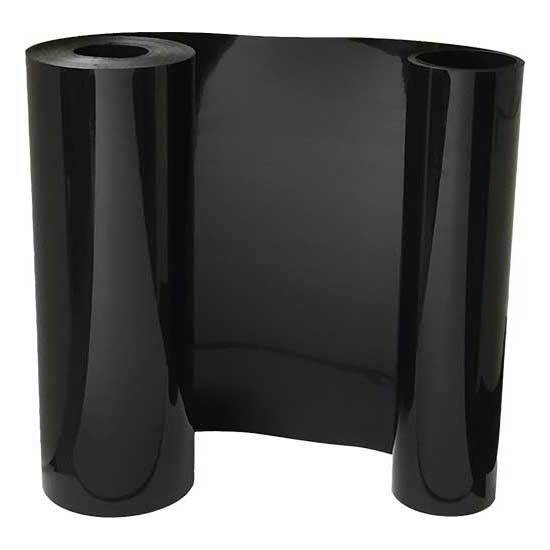
60 Mil HDPE Rhizome Barrier — Contain It, Don't Kill It
If the goal is a bamboo planting that stays where you put it, the 60 mil HDPE barrier is the solution. Install it at planting time or around an existing planting to permanently contain bamboo rhizomes within the desired area. UV-stabilized, 100-year lifespan, free shipping.
Shop 60 Mil Barrier →
Bamboo Barrier Selector Tool
If you are considering containment rather than removal, use the Bamboo Barrier Selector to find the right barrier for your bamboo species and installation depth.
Use the Bamboo Barrier Selector →
Stop Bamboo Permanently — From Spreading or Coming Back
HDPE rhizome barriers from Rhizome Barrier Supply contain bamboo within its planting area with zero ongoing chemical use. Free shipping. Made in the USA. Available in 60, 80, and 100 mil thicknesses.
Shop Bamboo Barriers →
Frequently Asked Questions
How do you get rid of bamboo in the yard?
Getting rid of bamboo in the yard requires addressing the underground rhizome network. Effective methods include physical excavation (digging up the rhizome network to 12 to 18-inch depth), shoot starvation (cutting every new shoot to the ground each spring for 3 to 5 years), and systemic herbicide applied to freshly cut stumps or late-season foliage. Combining methods produces the fastest results.
How long does it take to get rid of bamboo?
Getting rid of bamboo completely takes 1 to 5 years depending on the method and how established the planting is. Full excavation combined with follow-up shoot removal can clear most bamboo in 1 to 2 seasons. Shoot starvation alone takes 3 to 5 years. Herbicide treatment combined with shoot removal typically takes 2 to 3 seasons.
How much does bamboo removal cost?
Professional bamboo removal typically costs $2,000 to $6,000 or more for an established residential planting, depending on size, access, and local labor rates. DIY removal using herbicide and manual excavation can reduce costs substantially but requires significant time and labor investment.
How do I get rid of bamboo from a neighbor's yard that is invading mine?
The most reliable approach is to install a rhizome barrier along your property boundary to stop further invasion. For bamboo already established on your property, use excavation or herbicide methods to eliminate it. Many jurisdictions hold property owners legally responsible for bamboo that spreads onto neighboring land — consult local ordinances and consider a conversation with your neighbor about containment.
Can you get rid of bamboo permanently?
Yes, bamboo can be permanently eliminated, but it requires thorough removal or depletion of the rhizome network. The most reliable approach combines physical excavation with repeated removal of any regrowth over 1 to 3 growing seasons. Every new shoot that emerges must be removed immediately before it can mature and rebuild the plant's energy reserves.

