
Questions?
(800) 351-9633
(800) 351-9633

A complete guide to bamboo's underground root system — and why a physical barrier is the most effective long-term containment method.
Table of Contents
Bamboo is one of the most impressive plants in the world — fast-growing, beautiful, and incredibly useful. But beneath that attractive exterior lies an underground network that can quietly travel across your yard, through your neighbor's fence, under a patio, or into a foundation before you realize anything is wrong. That underground network is the bamboo rhizome system, and understanding how it works is the first step toward controlling it.
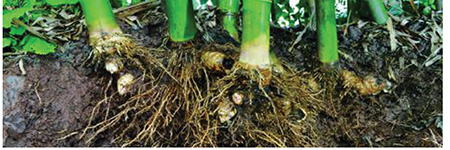
Bamboo rhizomes growing horizontally through the soil. The rhizomes — not the visible canes — are responsible for bamboo's aggressive spread.
Bamboo rhizomes are horizontal underground stems that grow through the soil, storing energy and launching new shoots (called culms) at intervals. They are not the same as roots. Roots grow downward from the rhizomes to absorb water and anchor the plant. Rhizomes grow laterally — traveling outward from the parent plant, extending the bamboo's territory.
This is a critical distinction for anyone trying to control bamboo. Cutting down the visible canes does not stop a bamboo plant. The rhizome network underground remains fully intact and will simply send up new shoots. As long as the rhizomes are alive, the plant is alive — and growing.
The bamboo root structure. Fibrous roots grow downward from rhizomes for water absorption; rhizomes grow horizontally to spread the plant.
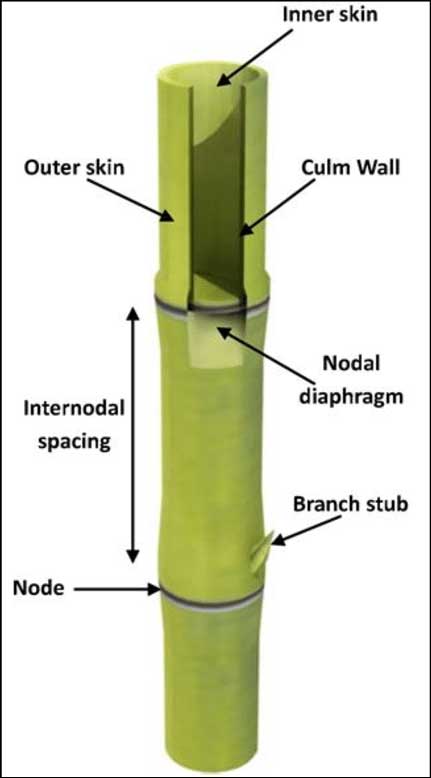
Bamboo plant anatomy. Culms are the hollow above-ground stems; nodes provide structural strength; rhizomes are the below-ground spreading stems.
Most bamboo rhizomes grow within the top 12 inches of soil. This shallow root zone is one reason bamboo spreads so effectively — the rhizomes travel through the most biologically active, nutrient-rich, and moist layer of soil where spreading is easiest.
However, "typically 12 inches" is not a guarantee. Bamboo rhizomes can go deeper in certain conditions:
| Bamboo Type | Rhizome Depth | Barrier Depth |
|---|---|---|
| Small ornamental | 6–12 in. | 24 in. min. |
| Medium running | 8–14 in. | 30 in. rec. |
| Large / timber | 12–18 in. | 36–48 in. |
| Clumping | 4–8 in. | 18–24 in. |
Running bamboo rhizomes can travel 5 feet or more per year under good growing conditions. In warm, moist climates with loose soil, a single uncontained bamboo plant can spread 15 to 20 feet from its original location within three to five years.
The rhizomes do not spread randomly. They are actively seeking moisture, nutrients, and space. This makes bamboo particularly problematic near irrigation systems, drip lines, and lawns with automatic sprinklers — the rhizomes will reliably find and grow toward those water sources, crossing property lines and penetrating planted beds, vegetable gardens, and hardscape areas in the process.
A common description of running bamboo's growth pattern is: first year they sleep, second year they creep, third year they leap. By year three and beyond, a bamboo planting without containment measures becomes difficult and expensive to manage.
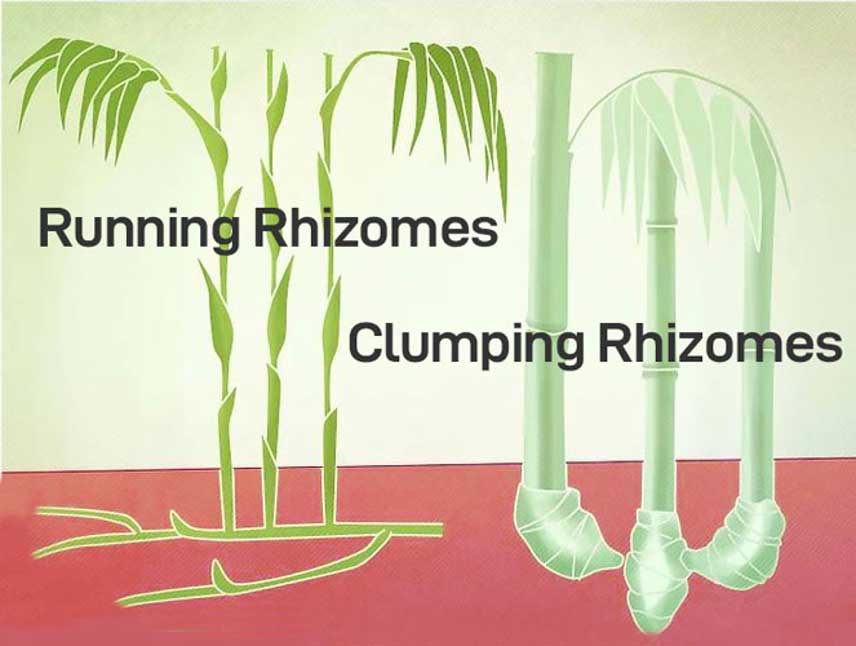
The key difference: running bamboo (left) sends long lateral rhizomes in all directions. Clumping bamboo (right) produces tight, short rhizomes that expand only a few inches per year.
The two main categories of bamboo differ fundamentally in how their rhizome systems grow:
Running bamboos produce long, thin rhizomes (called leptomorph rhizomes) that travel horizontally through the soil in all directions. Each rhizome can travel several feet in a single growing season before sending up a new culm. The resulting growth pattern is aggressive, wide-spreading, and capable of covering a large area quickly. Most of the ornamental bamboo species commonly planted in the United States — including Phyllostachys, Pleioblastus, and Pseudosasa — are runners.
Clumping bamboos produce short, curved rhizomes (called pachymorph rhizomes) that turn upward quickly to form new culms close to the parent plant. The resulting growth pattern is a tight, expanding clump that grows only a few inches per year from the center. Clumping bamboos like Bambusa and Fargesia are far less invasive, though they still benefit from a containment barrier when planted near hardscapes, foundations, or property boundaries.
Left uncontrolled, running bamboo rhizomes cause a range of property damage problems:
There are several approaches to managing bamboo rhizomes, ranging from labor-intensive manual methods to permanent physical barriers. Each has its appropriate context:
Dig a trench around the bamboo planting area. Rhizomes that grow into the trench become visible and can be severed. This method is effective if maintained diligently — but bamboo can grow quickly enough to outpace a gardener who isn't monitoring frequently. Open trenches are also hazardous, unsightly, and fill with water and debris.
Dig around the perimeter of the bamboo planting annually (or more often) and sever any rhizomes that have extended beyond the desired area. This works but requires consistent effort every year, since rhizomes that are not severed will continue spreading. A single missed growing season can result in significant spread.
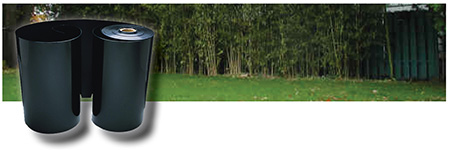
A physical rhizome barrier — a vertical HDPE barrier installed below grade around the bamboo planting — is the most effective and low-maintenance long-term containment solution. The bamboo rhizomes reach the barrier and travel along its surface rather than penetrating it. With 2 inches of barrier material extending above the soil, any rhizomes attempting to jump the barrier become visible for easy removal.
Rhizome barriers are available in multiple thicknesses. The correct choice depends on the aggressiveness of the bamboo species and the consequences of a containment failure:
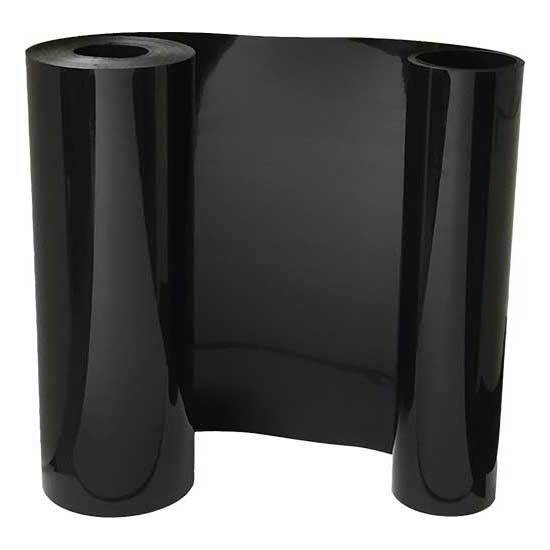
The standard choice for most residential and commercial bamboo containment applications. At 60 mil (1/16 inch), this barrier provides heavy-duty protection suitable for aggressively spreading running bamboo. UV-stabilized, 100-year in-ground lifespan, manufactured in the USA.
Available depths: 18", 24", 30", 36", 48", 60" | Section length: 100-foot rolls
Shop 60 Mil Barrier →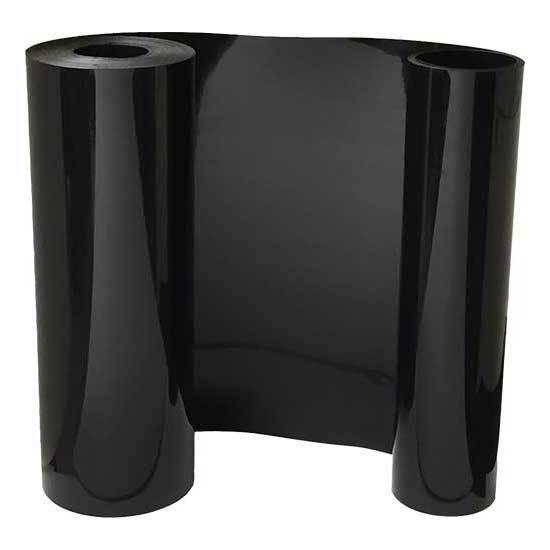
Ultra heavy-duty protection for very aggressively spreading bamboo or large timber bamboo species. At 5/64 inch (2mm), the 80 mil barrier is the choice when containment failure would result in significant property damage — near foundations, pavers, pools, or utility infrastructure.
Available depths: 18", 24", 30", 36", 48", 96" | Section length: 80–100 foot rolls
Shop 80 Mil Barrier →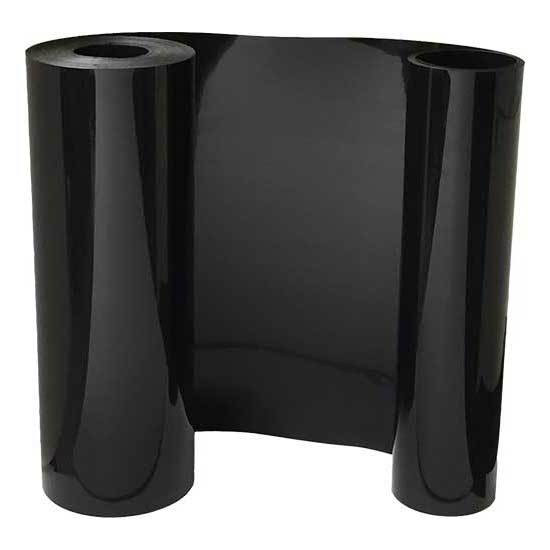
Extreme-duty barrier for the most aggressive bamboo species and well-established timber bamboo plantings. At 1/10 inch (2.5mm), this is the thickest available option — appropriate for commercial projects and situations where maximum protection is required.
Available depths: 36" | Section length: 80-foot rolls
Shop 100 Mil Barrier →Answer a few quick questions about your bamboo species, planting conditions, and site, and get a personalized barrier recommendation from Rhizome Barrier Supply.
Use the Bamboo Barrier Selector → Request a Quote →USA-manufactured, UV-stabilized HDPE bamboo barriers in 60, 80, and 100 mil thicknesses. Free shipping on all orders. Depths from 18" to 96" to fit any bamboo species or application.
Shop Bamboo Barriers →Bamboo rhizomes are the horizontal underground stems of the bamboo plant. Unlike true roots, rhizomes actively grow through the soil and send up new shoots (culms) at intervals. They are responsible for spreading the bamboo plant to new areas. Rhizomes store energy for the plant and allow bamboo to regenerate even after above-ground canes are cut down.
Most bamboo rhizomes grow within the top 12 inches of soil. However, rhizomes can extend deeper, particularly in loose sandy soils or when avoiding an obstacle. For containment purposes, a barrier installed to at least 24 to 30 inches is recommended for most species, with the barrier extending 2 inches above the soil surface to catch rhizomes attempting to grow over the top.
Running bamboo rhizomes can spread 5 feet or more per year in favorable conditions. In warm climates with ample water and loose soil, a bamboo planting that is not contained can spread 15 to 20 feet from its original location within a few years. The rhizomes actively seek moisture and can travel significant distances to reach irrigation, drip lines, or neighbors' watering systems.
Bamboo rhizomes are the horizontal underground stems that spread the plant to new areas and send up new shoots. Bamboo roots are the fibrous structures that grow downward from the rhizomes to absorb water and anchor the plant. Rhizomes are responsible for spreading; roots are responsible for nutrient and water uptake. When people talk about stopping bamboo from spreading, it is the rhizomes that need to be contained.
Cutting bamboo rhizomes alone will not kill the plant. The main rhizome network will regenerate and continue growing. However, regularly severing rhizomes at the property boundary combined with a physical bamboo barrier is an effective long-term containment strategy. To kill bamboo, rhizomes must be repeatedly cut back and the plant repeatedly defoliated over multiple growing seasons, or treated with a systemic herbicide.
{"one"=>"Select 2 or 3 items to compare", "other"=>"{{ count }} of 3 items selected"}