
Questions?
(800) 351-9633
(800) 351-9633

What bamboo can actually damage, what it cannot, and how to protect your property before a problem starts.
Table of Contents
Bamboo's reputation for property damage is partly deserved and partly exaggerated. Understanding what bamboo rhizomes can actually damage — and the limits of what they can penetrate — helps property owners make informed decisions about where to plant bamboo, what precautions to take, and when a rhizome barrier is essential versus simply advisable.
The damage bamboo causes comes almost entirely from the rhizome network, not the visible canes. The rhizomes grow through the top 12 inches of soil with considerable lateral pressure, and their ability to exploit gaps in structures is the primary mechanism of structural damage. Things bamboo regularly damages include:
This is the question most homeowners worry about most. The accurate answer is nuanced:
Bamboo rhizomes cannot penetrate solid, intact concrete foundations. Unlike tree roots, which exert significant radial growth pressure over years, bamboo rhizomes grow laterally and cannot generate the sustained force needed to crack solid concrete.
However, bamboo can cause foundation problems in specific circumstances:

A properly installed rhizome barrier creates a physical wall that stops rhizomes before they can reach driveways, patios, foundations, or property boundaries.
No — bamboo rhizomes cannot penetrate solid, intact concrete. Concrete's compressive strength far exceeds the lateral pressure that bamboo rhizomes generate. This is a common misconception driven by dramatic stories of bamboo "taking over" — the actual mechanism of concrete damage is exploitation of existing weaknesses, not direct penetration.
What bamboo rhizomes can do to concrete:
The takeaway: bamboo near patios, driveways, and walkways is a realistic property damage risk. Near a modern poured concrete foundation, the risk is much lower — but installing a barrier as a precaution is sound practice for any bamboo planted within 10 to 15 feet of a foundation.
Hardscape damage — patio and driveway lifting, cracking, and displacement — is the most common and well-documented form of bamboo property damage. It typically develops over 3 to 7 years as the rhizome network extends under pavement and exerts upward pressure through the accumulation of rhizome mass beneath the slab.
Signs of bamboo hardscape damage:
Bamboo rhizomes can penetrate soft plastic irrigation pipes, particularly at joints and connections. They can also grow into septic system distribution lines, drainage tiles, and similar buried infrastructure. This type of damage is less common but more serious when it occurs, as it may not be detected until the system fails.
For properties with irrigation systems, septic systems, drainage tile, or other buried infrastructure within 15 to 20 feet of a bamboo planting, a rhizome barrier is a worthwhile protective measure.
Bamboo that spreads from your property onto a neighbor's land can create significant legal liability. Several legal principles apply:
Multiple US court cases have resulted in successful judgments against property owners for bamboo damage to neighboring properties. The awards have ranged from thousands to tens of thousands of dollars for the costs of removal and landscape remediation.
Planting bamboo is not universally illegal, but specific restrictions apply in a growing number of US jurisdictions:
In most jurisdictions that have bamboo regulations, installing a properly constructed rhizome barrier satisfies the containment requirements. If you are unsure about regulations in your area, check with your local zoning office before planting.
If you already have bamboo in your yard and are concerned about damage, the immediate priority is determining how far the rhizome network has extended:
If the rhizome network has not yet reached structures or property lines, installing a rhizome barrier immediately is still far less expensive than removal after problems develop.
Every category of bamboo property damage described above — hardscape lifting, foundation intrusion, utility penetration, neighbor disputes, legal liability — is prevented by a properly installed rhizome barrier. The barrier creates a continuous vertical wall that intercepts rhizomes before they can reach any of these targets.
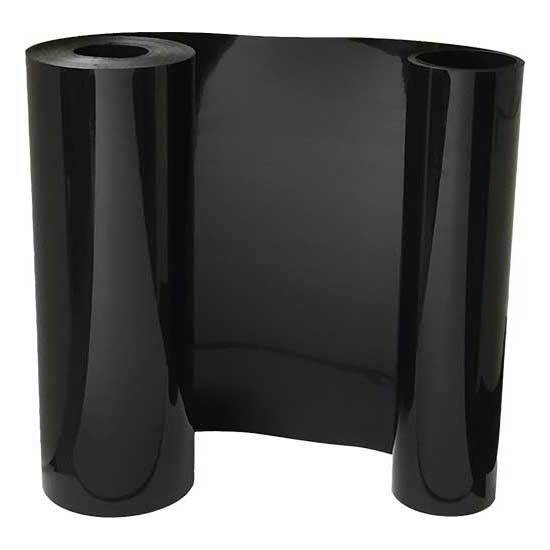
Stop bamboo rhizomes before they reach your foundation, driveway, patio, fence, or property line. UV-stabilized HDPE, 100-year in-ground lifespan, manufactured in the USA. Depths from 18" to 60". Free shipping on all orders.
Shop 60 Mil Barrier →Find the right barrier thickness and depth to protect your property from bamboo damage.
Use the Bamboo Barrier Selector → Request a Quote →A rhizome barrier is the most cost-effective protection against bamboo property damage. 60, 80, and 100 mil HDPE. Free shipping. Made in the USA.
Shop Bamboo Barriers →Bamboo rhizomes cannot penetrate solid intact concrete foundations. However, they can exploit existing cracks, mortar gaps, and construction joints. Older foundations and block walls with deteriorating mortar are at higher risk. Installing a barrier at sufficient distance from the foundation eliminates the risk entirely.
No. Bamboo rhizomes cannot penetrate solid intact concrete. They can exploit existing cracks and expansion joints, widen them over time, and travel under thin concrete slabs (patios, driveways, walkways), lifting them from below as rhizome mass accumulates beneath.
In some jurisdictions, yes. Connecticut has a statewide law; multiple municipalities in New Jersey, New York, and Maryland have local ordinances. In most cases, installing an HDPE rhizome barrier satisfies the containment requirements. Check your local zoning office before planting.
In many jurisdictions, yes. Property owners have been held legally responsible for damage caused by bamboo spreading onto neighboring properties under nuisance and trespass principles. Multiple successful lawsuits have resulted in awards for removal costs and landscape remediation. Consult a local attorney if you are experiencing significant damage from a neighbor's bamboo.
{"one"=>"Select 2 or 3 items to compare", "other"=>"{{ count }} of 3 items selected"}